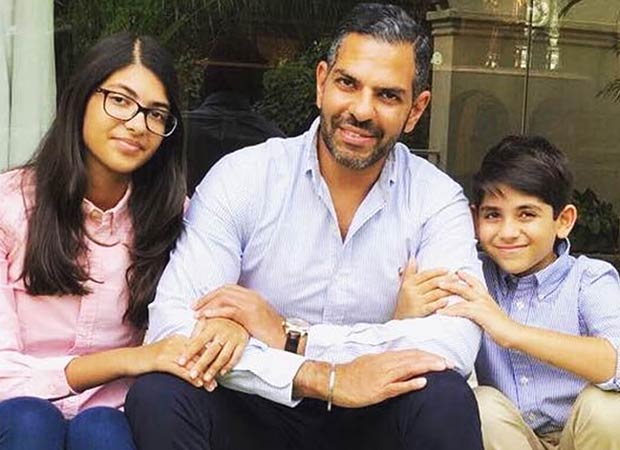
The legal battle over late industrialist Sunjay Kapur’s multi-thousand-crore estate has intensified after the Delhi High Court questioned widow Priya Kapur and the Will’s executor Shraddha Suri Marwah for objecting to a forensic examination of the alleged final testament.
The disputed Will, along with the application filed by Sunjay’s children Samaira and Kiaan Raj Kapur, is currently before Joint Registrar Gagandeep Jindal.
On November 11, Sunjay’s two children from his former wife Karisma Kapoor sought permission to inspect the purported original Will that Priya Kapur herself submitted in October, claiming the document shows multiple irregularities. Instead of consenting to the forensic scrutiny that could verify its authenticity, Priya chose to oppose the request — a move the court flagged as unusual.
The plea was heard again on November 17, after which the Joint Registrar directed Priya Kapur and Shraddha Suri Marwah to file a written reply within three weeks, explaining the basis of their objection. The children’s counsels have also been permitted to submit additional documents during this time.
The matter is now scheduled for the next hearing on December 16.
During the November 14 hearing, senior advocate Mahesh Jethmalani, representing Samaira and Kiaan, questioned why Priya and Shraddha would resist a forensic test that could only strengthen the credibility of the Will — especially one that reportedly grants almost the entire estate to a single beneficiary.
Legal observers say such resistance is uncommon, particularly in high-value succession cases.
According to the children’s submissions, the alleged Will may contain multiple red flags — including incorrect addresses, errors in gender references, contradictions with earlier records, and digital metadata suggesting the document may have been altered. They also highlight the absence of communication, drafts, or instructions from Sunjay Kapur indicating that he ever approved or even saw such a Will.
This has raised a pivotal question now dominating the dispute. If the Will is genuine, why oppose a forensic examination?