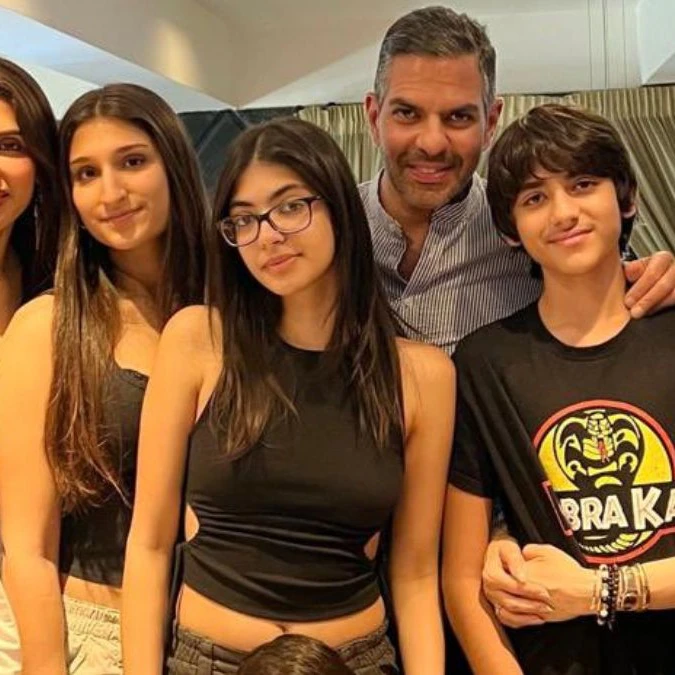
The high-stakes battle over industrialist Sunjay Kapur’s estate took another dramatic turn on Thursday as fresh testimony before the Delhi High Court raised deeper doubts over the authenticity of the Will produced by his third wife, Priya Sachdev Kapur. What was expected to bring clarity instead unleashed new contradictions—casting a sharper spotlight on the possibility that the contested document may not reflect Kapur’s true intentions.
At the centre of the storm is Shradha Suri Marwah, whose counsel disclosed a revised sequence of how she allegedly received the Will. Suri admitted that her earlier statement was incorrect; the Will was not sent by Priya, but by one Dinesh Agarwal on 14 June—two days after Kapur’s death. Agarwal, who had no formal authority to appoint an executor, allegedly instructed Suri to act in that role, only to later claim he had “mistakenly” attached the trust deed instead of the Will.
Legal experts say the confusion is procedurally alarming. Why would an executor learn of her appointment through a third party after the testator’s death? Why was the Will shared only a day before its supposed execution? And how did Agarwal assume such a role without documented authorisation?
Suri’s own testimony offers little reassurance. She admitted she had no idea she was named executor, lacked legal guidance despite asking for it, and struggled to understand the document’s legitimacy. Her description of “trying to figure out what was going on” paints the portrait of an executor thrust into position—not one personally chosen by Sunjay Kapur.
Adding to the intrigue, Suri said Priya Kapur told her on 24 June that the document was Sunjay’s “last and only Will”—a claim that clashes sharply with Priya’s own admission on 11 August that she is merely a nominee to Sunjay’s assets, not a beneficiary. In Indian succession law, nominees do not inherit property; they only hold it until legal heirs claim it.
This contradiction has proven pivotal. If the Will is struck down, Sunjay Kapur’s estate will devolve equally to his Class I heirs, including his children Samaira and Kiaan, significantly strengthening their case.
Suri’s request for indemnity from Priya—an unusual step for an executor confident in the Will—adds yet another red flag. Her admission that she never believed probate was necessary further fuels questions about whether due legal procedures were bypassed entirely.
Meanwhile, the background remains riddled with discrepancies. The Will is unregistered, contains misspellings, incorrect pronouns, and repeatedly describes Kapur as a “testatrix”—a term for a female testator. Metadata suggests it did not originate from any of Sunjay’s devices, while Priya’s lawyers have tried to justify the errors by claiming it was based on a template from Rani Kapur’s Will.
With every hearing, the dispute appears less like a family conflict and more like a case study in contested inheritance, inconsistent narratives, and procedural opacity. The central question looms larger than ever:
Was Sunjay Kapur’s true Will ever documented at all?
For now, the court’s scrutiny—and the pressure on Priya Kapur’s claims—is only intensifying.