
For the past two to three decades, Nepal has witnessed a steady decline in its basic infrastructure. Outside of Kathmandu, the country lacks proper road connectivity, with most small bridges in the plains lying in a state of disrepair. Many are so unsafe that motorists often prefer to take diversions.
A visit in 2011 along the India–Nepal border, from Bhithamore Land Port in Sitamarhi district of Bihar to Janakpur in Nepal, highlighted the dire situation. Every bridge along the way was in pathetic condition. Electricity supply was almost non-existent during both summer and winter. Shops closed by early evening, the army guarded major junctions, and even arranging food was a challenge. The immediate impression was one of complete government neglect in meeting even the most basic needs of its citizens.
Despite its immense potential for job creation through tourism, Nepal has remained heavily dependent on migration and remittances. This neglect has driven a sharp rise in outward migration. With limited domestic income opportunities, many Nepalis continue to seek work abroad. The crisis drew global attention recently when hundreds of youths unknowingly joined Russian forces in the ongoing Russia–Ukraine war. They believed they were recruited for support roles, but were instead pushed into combat. The Nepalese government intervened only belatedly to halt the practice.
Unemployment remains one of the country’s most pressing challenges. Estimates suggest that nearly one in five young Nepalis is either jobless or underemployed. The domestic market is unable to absorb the growing number of graduates, forcing educated youth to migrate. Seasonal agricultural jobs offer little security, leaving the workforce underutilized and fuelling a deepening dependence on foreign employment.
Tourism and remittances remain Nepal’s economic lifelines, but the lack of sustainable job creation continues to push its youth out of the country.
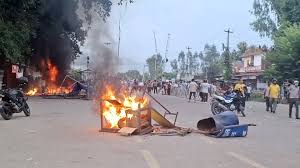
Meanwhile, the government has increasingly relied on social media to deflect attention from such structural problems. For years, citizens too were distracted. But the strategy backfired when people began questioning the sudden wealth and lavish lifestyles of politicians’ children. In response, the government imposed a blanket ban on social media platforms—an act that has only deepened public anger and mistrust.
S K Amit

